ASU applied behavior analysis program recognized in Four Corners region

Lorraine Becerra (left), clinical assistant professor, and graduate student Kerri Hohn (right) at the Four Corners ABA Conference. Courtesy photo
Helping students with learning disabilities succeed in school and modeling effective communication skills are just two examples of how applied behavioral analysis improves lives.
Since launching almost nine years ago, the Master of Science in applied behavioral analysis program (MS ABA) in the Department of Psychology at Arizona State University has seen much success. MS ABA faculty and students recently attended the Four Corners Association for Behavior Analysis conference and came home laden with recognitions.
The Four Corners ABA is a regional association composed of board-certified behavioral analysts and students in training to become behavioral analysts from Arizona, Utah, Colorado and New Mexico. The association hosts a conference each year that focuses on sharing knowledge between faculty, students and practitioners.
Lorraine Becerra, a clinical assistant professor at ASU, was elected to the Four Corners ABA Board of Directors for a three-year term. Candidates for the board must have a faculty position in an applied behavioral analysis program or work as a clinician. They are nominated by members of the association and elected by popular vote.
“It is important that our program has a voice in this organization because our MS ABA students at ASU are very dynamic and are interested in learning how to expand the reach of applied behavioral analysis,” Becerra said. “With my position on the board of directors, I am looking forward to bringing attention to some nontraditional areas of behavioral analysis, such as organization structure and social justice.”
This year’s Four Corners ABA conference was the first time presenting a research poster for ASU student Kerri Hohn. They won best poster presentation for the research conducted for their capstone project. Hohn’s project examined the effect of different ways of giving and receiving feedback in a workplace environment.
“By presenting my work at this conference, I learned that the goal of research is not perfection — it is to collaborate with others who are also passionate about expanding the outskirts of knowledge,” they said.
The results of Hohn’s capstone project highlighted the importance of building a culture of regular feedback and how it can positively impact how people respond to and feel about feedback. The findings also built upon previous research, showing the impacts of giving and receiving feedback in different ways.
“I came to ASU because the course structure was well designed to prepare students for the BCBA exam. Once I started the program, I understood why the program also has a high pass rate for the exam — the faculty are all-stars in the field who have a wide array of experiences they share with us,” Hohn said.
More Science and technology

When facts aren’t enough
In the age of viral headlines and endless scrolling, misinformation travels faster than the truth. Even careful readers can be swayed by stories that sound factual but twist logic in subtle ways that…
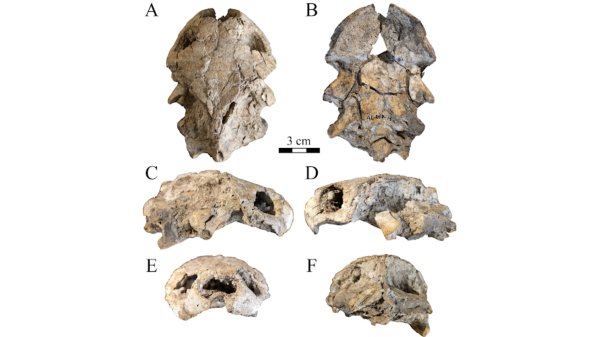
Scientists discover new turtle that lived alongside 'Lucy' species
Shell pieces and a rare skull of a 3-million-year-old freshwater turtle are providing scientists at Arizona State University with new insight into what the environment was like when Australopithecus…

ASU named one of the world’s top universities for interdisciplinary science
Arizona State University has an ambitious goal: to become the world’s leading global center for interdisciplinary research, discovery and development by 2030.This week, the university moved…