

ASU associate professor helps establish Indigenous Caucus for child development research
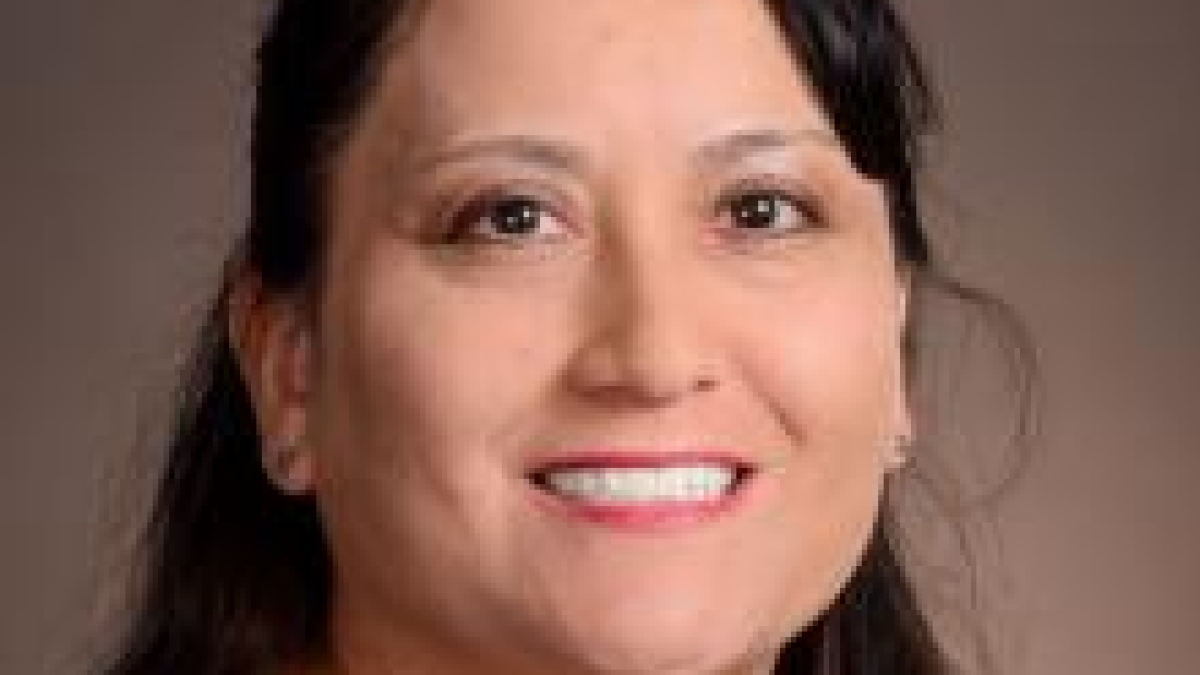
Arizona State University Associate Professor Monica Tsethlikai, with researchers from universities across the country, created a new committee focusing on research for Indigenous children and families: the Indigenous Caucus, which belongs to the Society for Research in Child Development.
Arizona State University Associate Professor Monica Tsethlikai collaborated with researchers from universities across the country to create a new committee focusing on research for Indigenous children and families. The Indigenous Caucus, which belongs to the Society for Research in Child Development (SRCD), aims to bring awareness to existing gaps in Indigenous child development research.
"Monica spearheaded the Indigenous Caucus for SRCD,” said Eleanor Seaton, who serves on the governing council of the SRCD. “This is a tremendous achievement, and I look forward to what they produce on behalf of Indigenous children and families around the world."
The Indigenous Caucus joins the ranks of several caucuses that promote diversity in the Society for Research in Child Development. These caucuses focus on the distinct needs of cultural groups by calling for research that considers unique social and historical contexts, with the goal of understanding and addressing social, psychological and developmental influences that keep children and families from being healthy and successful.
The Indigenous Caucus came about in response to a lack of research surrounding the needs of Indigenous children. According to the SRCD, researchers have focused too much on problems, like higher suicide rates and substance use disorders, but failed to consider the unique traditions that promote resilience and strength among Indigenous groups, like community-centered cultural and spiritual practices.
Along with her work with the Indigenous Caucus, Tsethlikai, an enrolled member of the Zuni tribe, has been researching the effects of these cultural traditions, specifically examining how cultural and spiritual engagement influence stress and executive functioning in urban Indigenous youth. She often uses biomarkers like hair cortisol analysis to reliably measure stress levels.
In conjunction with this research, Tsethlikai is working to create a special section in the Journal of Child Development dedicated to Indigenous child development. In addition, she is currently chairing the review of papers for next year’s SRCD conference in Salt Lake City.
"We are thankful for Monica's leadership,” said Rebecca Sandefur, director of the T. Denny Sanford School of Social and Family Dynamics. “This is critically important work, and I am honored to be her colleague.”
More Health and medicine

New initiative aims to make nursing degrees more accessible
Isabella Koklys is graduating in December, so she won’t be one of the students using the Edson College of Nursing and Health…

Reducing waste in medical settings
Health care saves lives, but at what cost? Current health care practices might be creating a large carbon footprint,…

ASU offers bilingual counseling to Spanish speakers
Arizona is one of the five states in the nation with the highest percentage of Hispanic residents, according to the U.S.…