Geography PhD candidate receives prestigious grants for groundbreaking aquaculture research in India
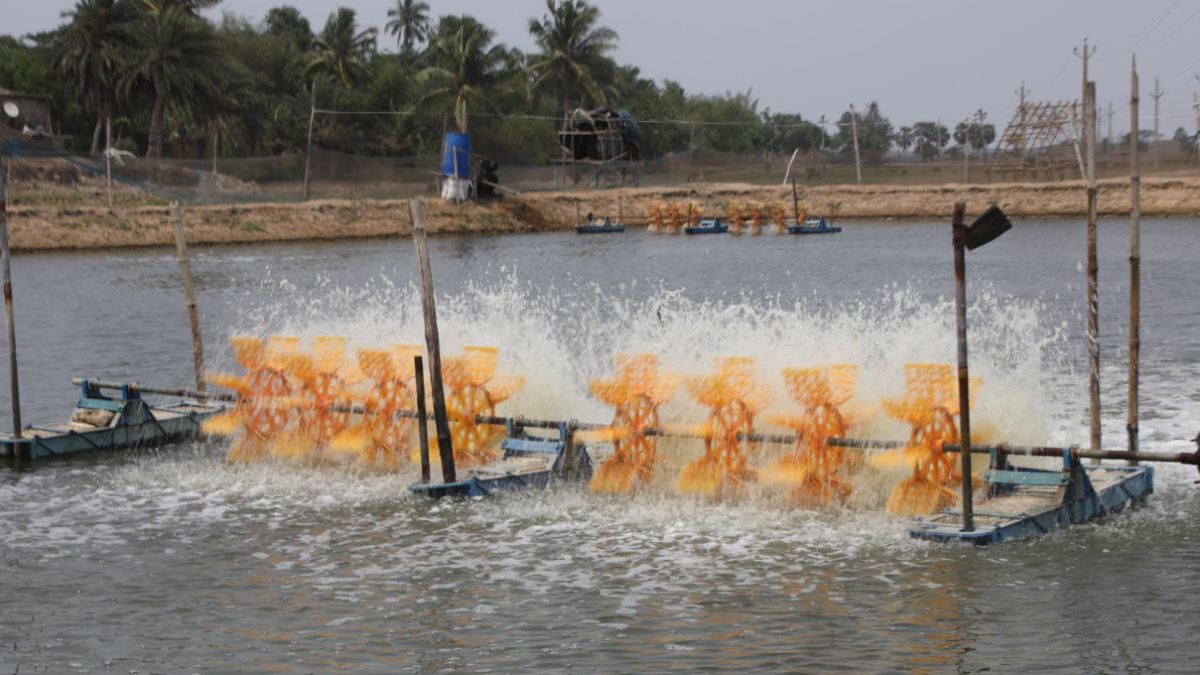
A land-based shrimp aquaculture pond in Odisha, India. Photo courtesy Garima Jain
Before coming to study at Arizona State University, Garima Jain spent 13 years working in her home country of India, as well as other parts of the Global South, researching disaster resilience and post-disaster recovery.
During her fieldwork in India, she observed a significant number of local farmers shifting from traditional rice cultivation to aquaculture, or the practice of farming fish on land, due to the increased salinity of the soil caused by more frequent storm surges.

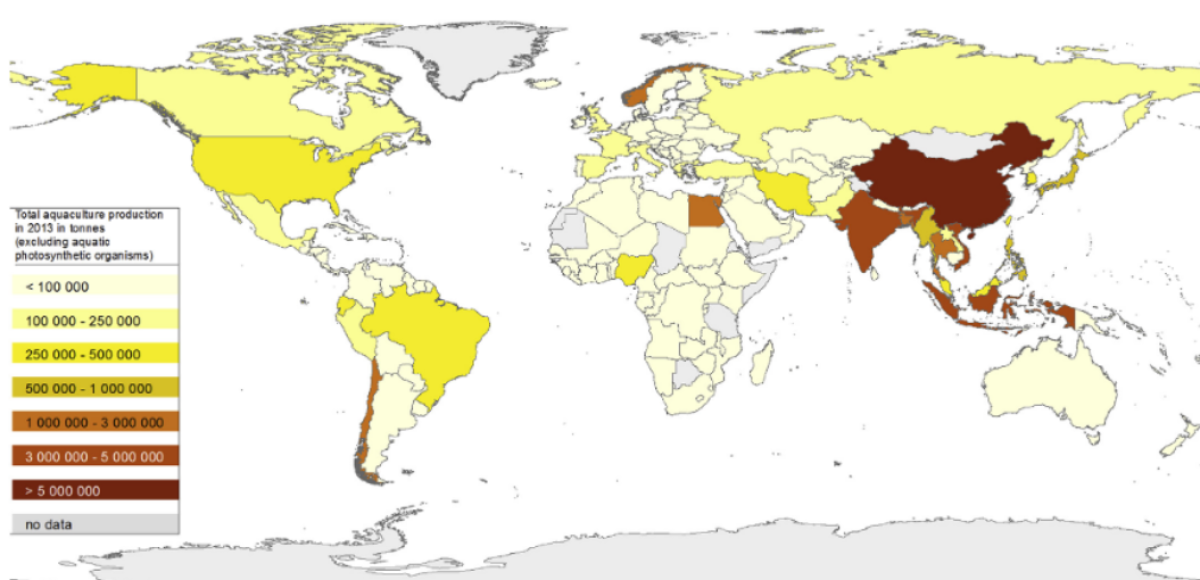
While aquaculture is becoming a fast-growing method to meet the global fish demand that also offers an alternative livelihood for those in areas where traditional farming is challenging due to soil and environmental changes, unsustainable aquaculture practices may effectively worsen soil and groundwater conditions, making living in these areas unviable.
Jain, a geography PhD candidate in the School of Geographical Sciences and Urban Planning at Arizona State University, has recently been awarded two prestigious grants — the U.S. National Science Foundation Doctoral Dissertation Research Improvement grant and the Horowitz Foundation for Social Policy grant — to begin collecting the kind of data required to develop strategies for disaster recovery and climate-resilient, sustainable development in fragile coastal regions.
The grant funds will enable Jain to collect essential primary data on the socioeconomic and environmental factors influencing the adoption of aquaculture and its impacts on places, which she plans to use to create resources that extend beyond academia, benefiting local communities and policymakers alike.
“I am extremely grateful to the National Science Foundation and the Horowitz Foundation for supporting my fieldwork. The primary data that I'm collecting will be the first of its kind. Even after my research is complete, others can access it for developing new research, ideas and, hopefully, more insights in the future,” Jain said.
Jain’s research is deeply rooted in practical applications aimed at community engagement and policy development. By collaborating with local communities, government officials and experts, she intends to develop workshops and strategies addressing the dual challenges of climate-driven soil salinity and population growth in coastal areas. Her goal is to empower communities with the knowledge and tools needed to adapt to changing environmental conditions.
“One thing that’s currently lacking is the sense of alternatives for these communities. They know their areas better than I ever will. Through these workshops, they can identify and develop more sustainable solutions themselves,” Jain said.
Beyond her dissertation, Jain plans to publish her findings in open-access journals, ensuring widespread access to her data and methodologies. This approach aligns with her vision of fostering dialogue and collaboration to tackle complex environmental issues.
Moreover, Jain plans to use the grant funds to produce a short film and a graphic anthology to disseminate her findings. These creative outputs aim to engage a wider audience, including nonacademic stakeholders, and contribute to informed policymaking on sustainable aquaculture practices.
Jain’s upcoming fieldwork illustrates how research-driven solutions can help coastal communities adapt to climate-induced vulnerabilities. Her work not only highlights the socio-environmental impacts of expanding aquaculture in India but also offers valuable insights into sustainable practices that can be applied globally.
More Environment and sustainability

ASU President Michael Crow named to TIME100 Climate list
Arizona State University President Michael Crow has been named to the 2024 TIME100 Climate list of leaders and innovators driving real climate action.The list includes leaders across a range of…

Driving green desalination
Wilderness survival TV show hosts, pirates and water treatment researchers agree on one thing: Most natural water sources are not safe for drinking. Among the many potential risks is the high salt…

ASU preservation facility serves as test bed for rooftop heat mitigation
A roof coating that uses thermal energy storage materials from Arizona State University spinout EnKoat is halting the heat in several ASU buildings — including a section of the university’s largest…