
The skin sings: Iraq. Afghanistan. Korea. Japan. Indonesia. Germany. Hungary. And the good ol’ USA.
Military veterans say they get inked for a variety of reasons. They often symbolize loss, patriotism, resistance and sacrifice. Sometimes they’re used to quietly sniff out fellow warriors, but they can also serve as a shield to keep citizens from asking too many questions.
Mostly, they represent a form of self-expression and a permanent reminder of their service — or even just their favorite sci-fi show.
In recognition of National Tattoo Day on July 17, Arizona State University veterans share the stories behind their ink.
Video by Deanna Dent/ASU Now
“Military people travel all over the world with deployments and duty stations, kind of jumping all around all the time, making new friends and having to leave their old friends,” said Chris Hennessy, a mechanical engineering major at ASU who recently served in the U.S. Marines.
“They want to bring parts of them with them wherever they go.”
Anthropologists have traced the age-old practice of tattooing as far back as 400 B.C., but its American military roots can be found in the Revolution. Tattoos picked up steam in port towns in the 18th and 19th centuries but somehow lost their luster during World War II.
Despite rigorous restrictions in the past, the American armed forces are more accepting these days, and tattoo culture among soldiers appears to be more popular than ever. That goes for the female vets, too.
“I would say it’s pretty common among women in the military,” said Marisa Von Holten, a justice studies major at ASU and Air Force vet. “I got my first tattoo with two other females in the service. One even ended up as my bridesmaid.”
-
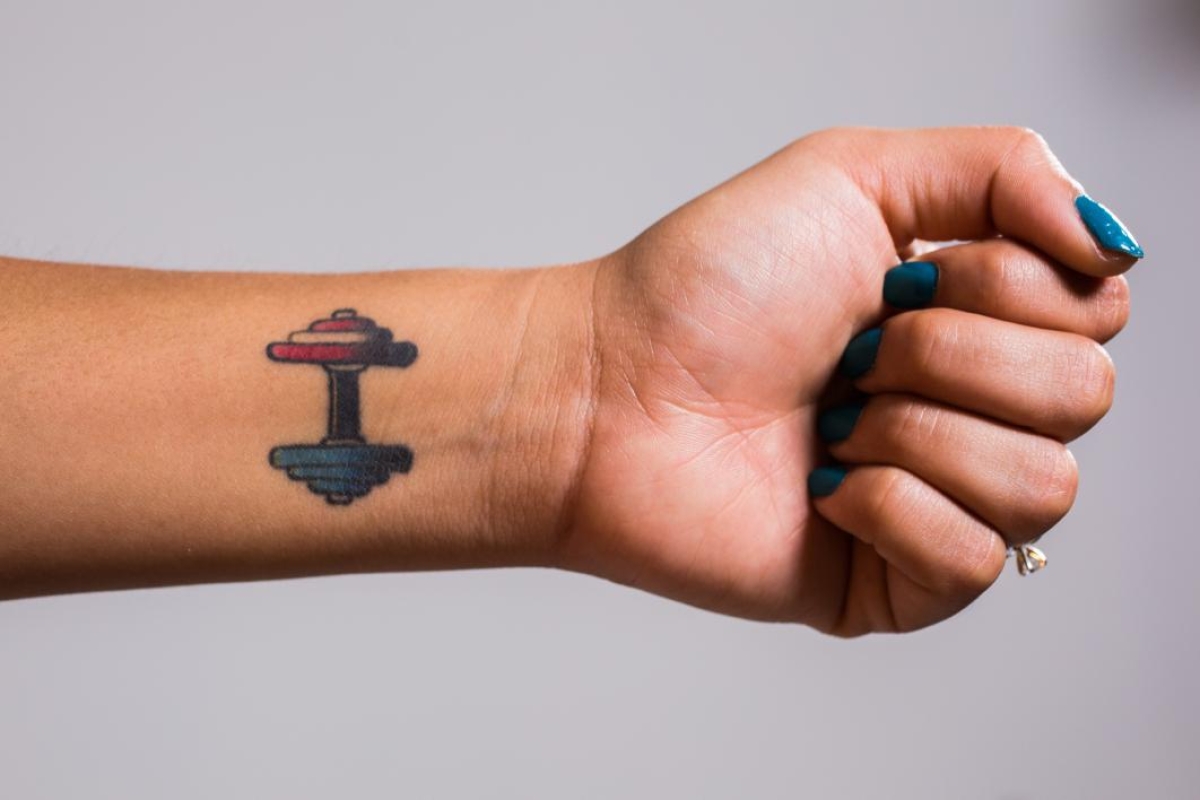
Air Force veteran and ASU criminal justice sophomore Marisa Von Holten shows off her "American barbell" tattoo. She views the barbell as a reminder to stay in shape and to stay fit.
Photo by Deanna Dent/ASU Now
-
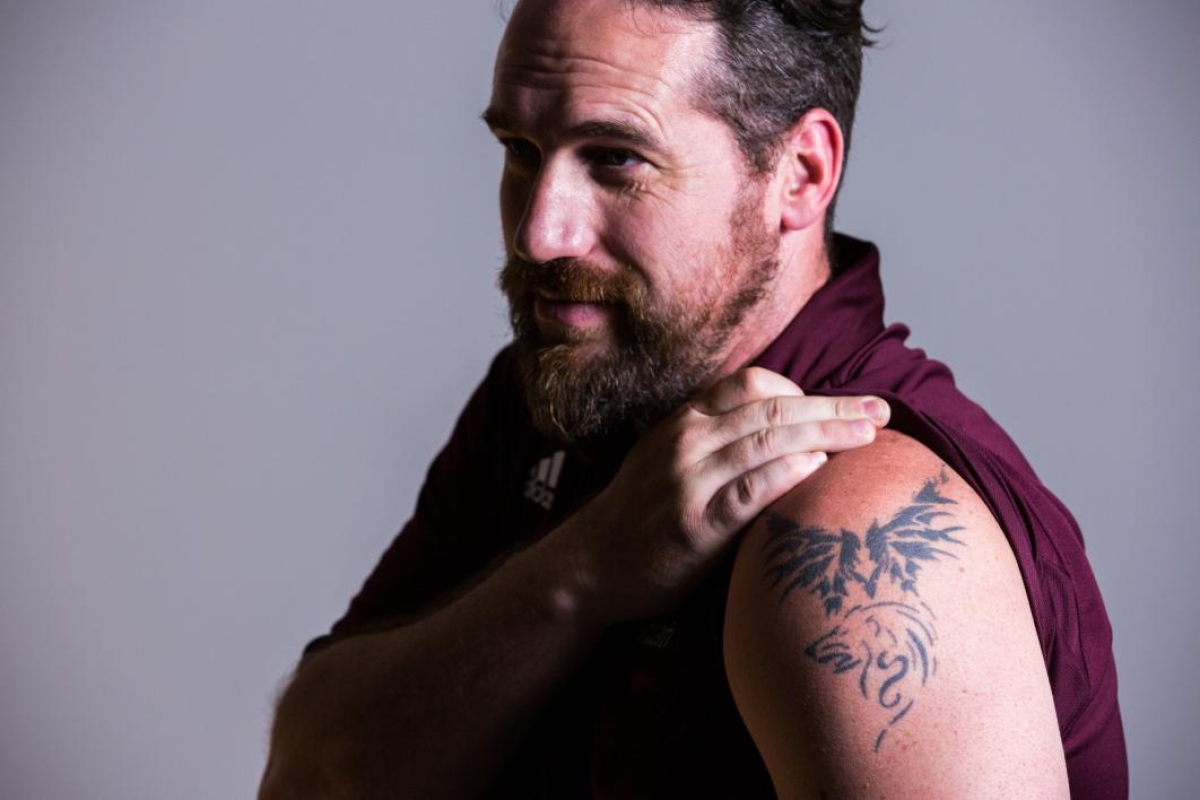
Army veteran and exercise and wellness undergraduate Cole Von Roeder poses for a portrait with his first tattoo — a Phoenix, to commemorate his hometown, and a Leo, for his zodiac symbol.
Photo by Deanna Dent/ASU Now
-
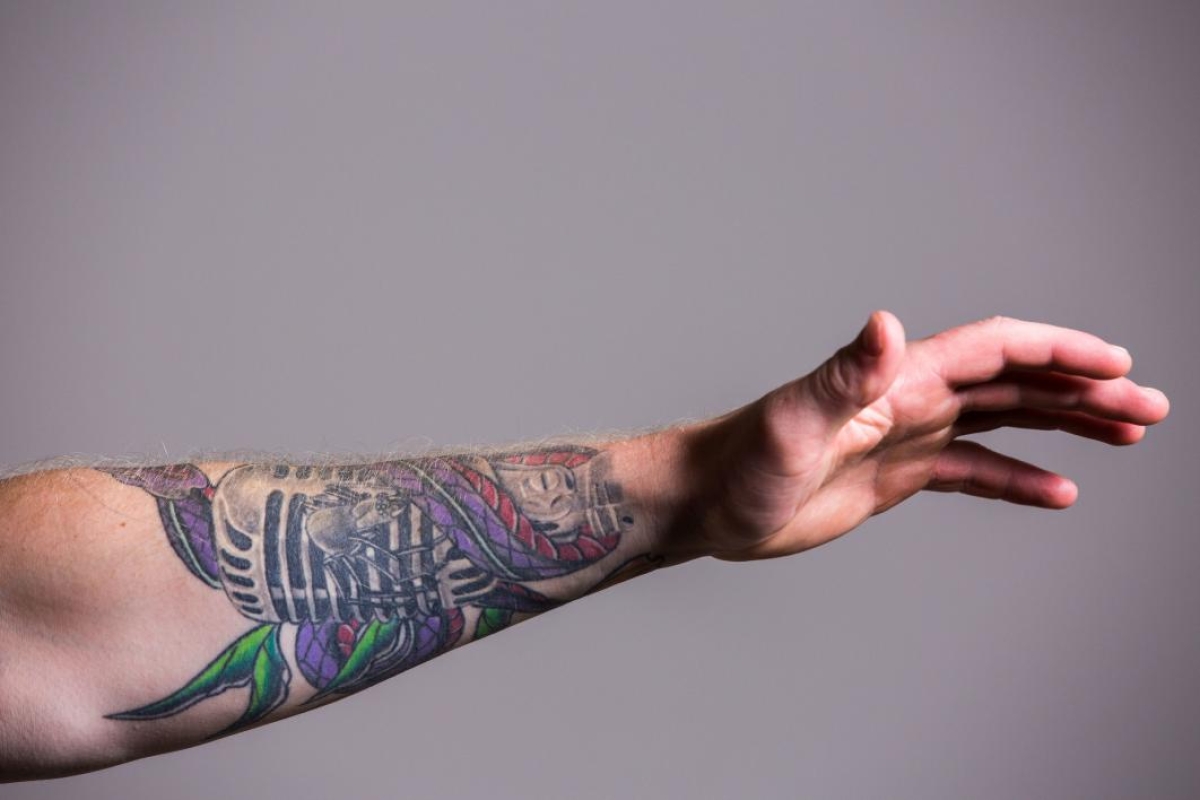
Navy veteran and ASU exercise and wellness graduate student James Bockas displays his forearm tattoo, which serves as a memorial for two friends who died in a car crash, represented by the microphone and spider.
Photo by Deanna Dent/ASU Now
-
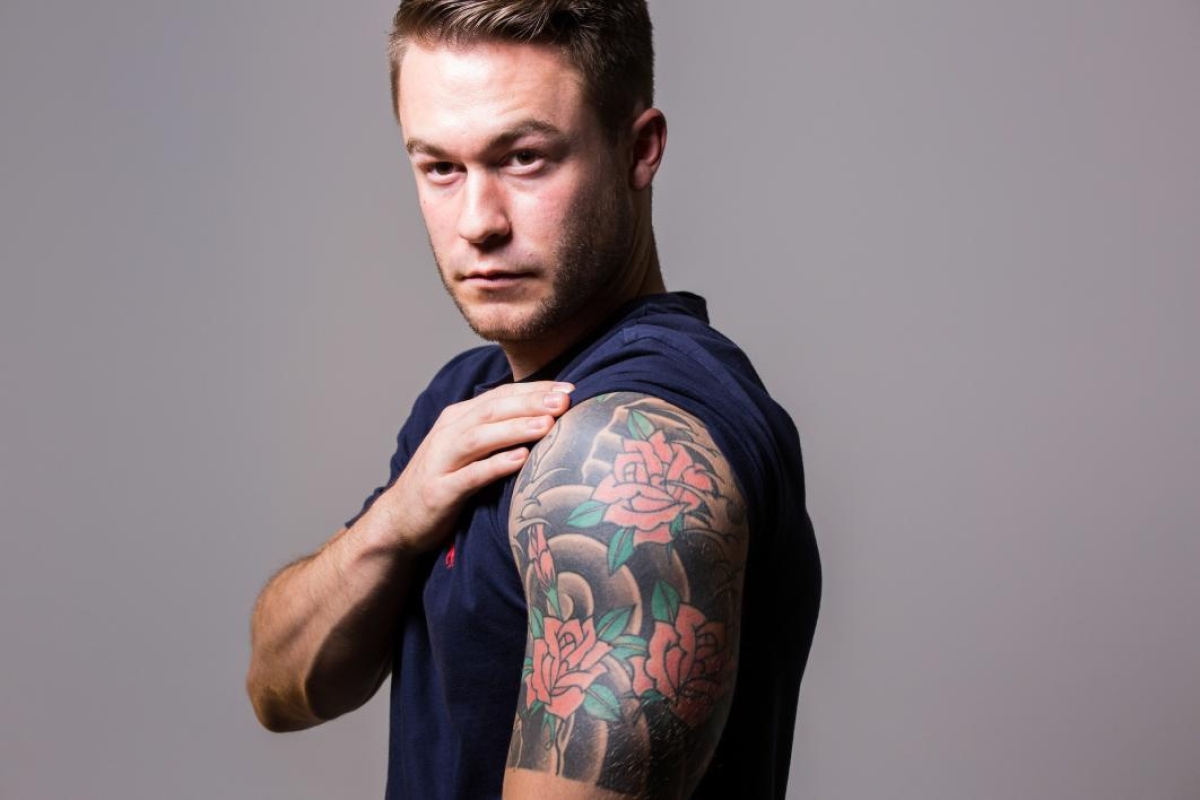
Marine veteran and economics major Zackary Storm poses with his half-sleeve tattooo that he received while stationed in Japan. Marines are prohibited from tattooing above their shirt necklines or below their short-sleeve lines.
Photo by Deanna Dent/ASU Now
-
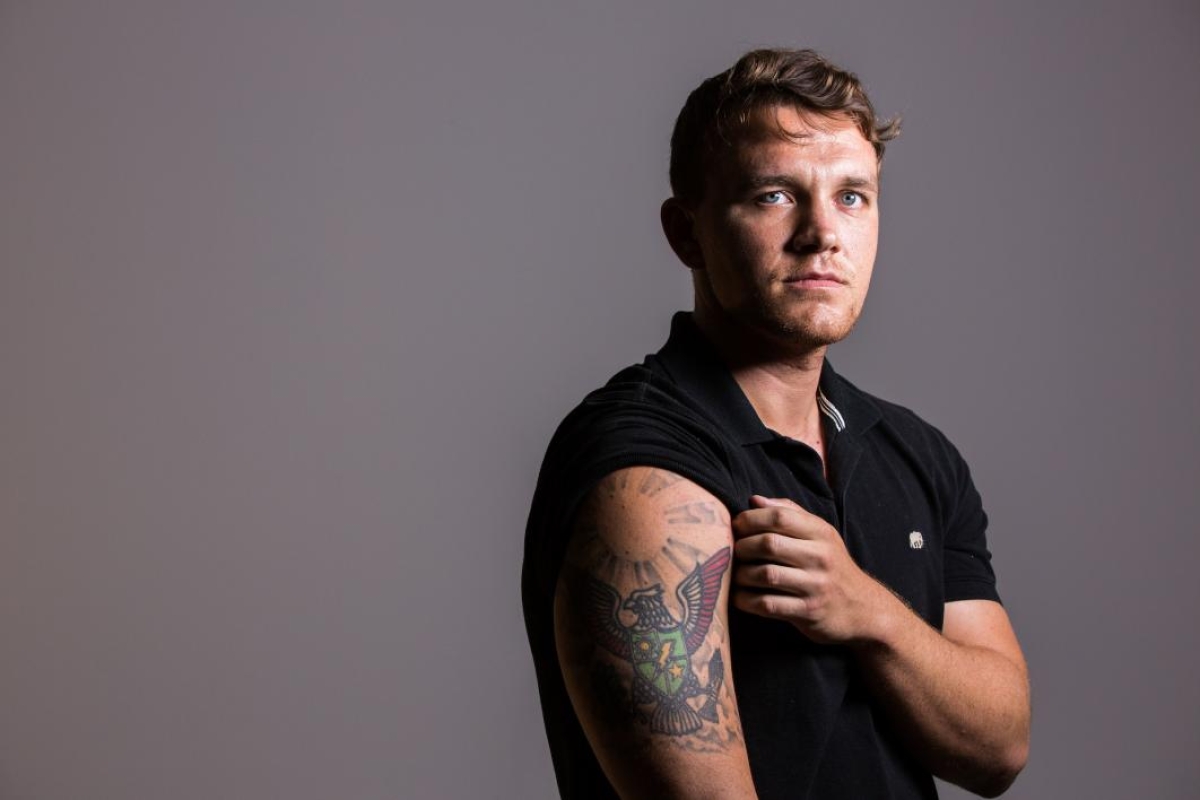
Army veteran and biochemistry major Sam Culbertson shows off his unit-crest tattoo, which symbolizes the 75th Ranger Regiment.
Photo by Deanna Dent/ASU Now
-
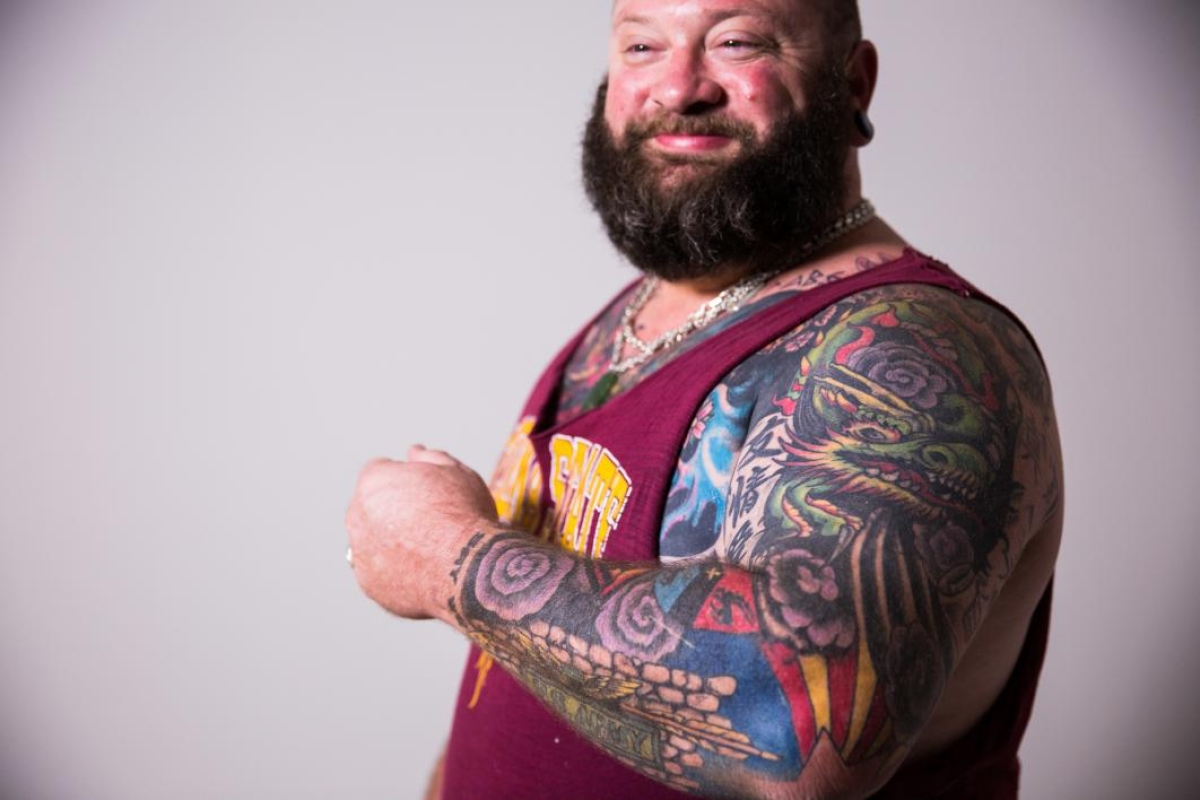
Public administration and social work graduate student and Army veteran Tim Rogers shows off some of his arm tattoos. Among his many tattoos are an Arizona flag and homages to his wife and children.
Photo by Deanna Dent/ASU Now
-
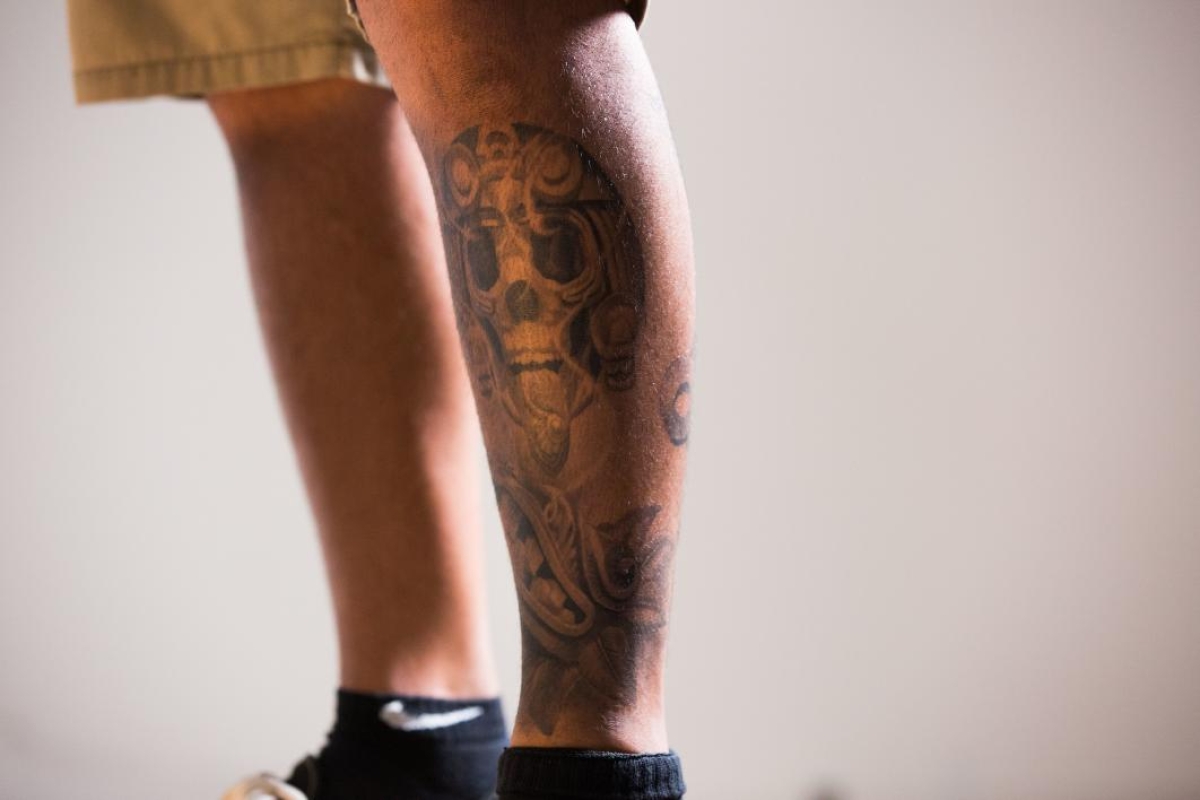
Veteran and W. P. Carey School of Business sustainability student Aaron Sanchez's leg tattoo is of the Aztec sun god Huitzilopochtli and was done when he served in the Navy from 2012-2016.
Photo by Deanna Dent/ASU Now
-
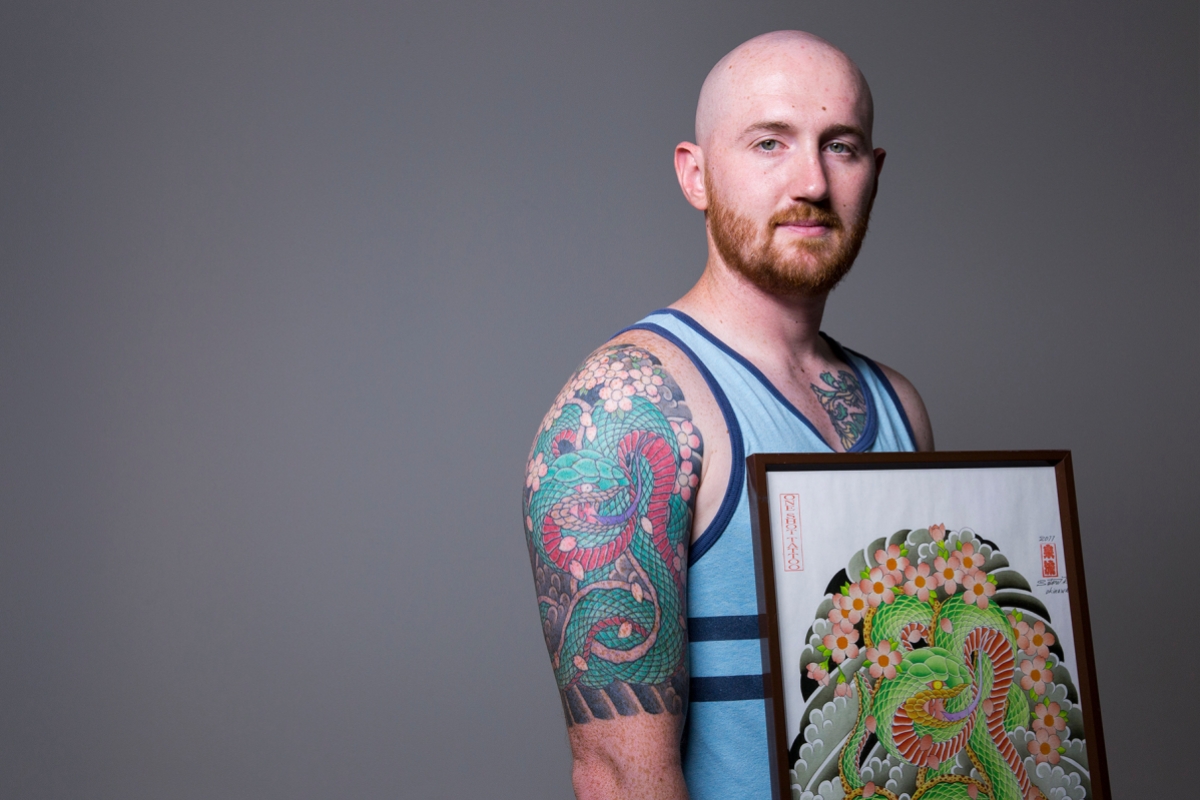
Marine and mechanical engineering junior Chris Hennessy poses for a portrait with his shoulder tattoo and the drawing as done by the artist. The tattoo was inked by an artist in Okinawa, Japan, as Hennessy wanted to take a reminder of his experience in a new culture and country home with him.
Photo by Deanna Dent/ASU Now
More Sun Devil community

University Archives chronicles more than 140 years of Sun Devil history
Editor’s note: This is part of a monthly series spotlighting ASU Library’s special collections throughout 2024.What was the name of the butcher who bequeathed the first piece of land that…

3 outstanding ASU alumni named The College Leaders of 2024
Three outstanding Arizona State University alumni from The College of Liberal Arts and Sciences will be named as this year’s slate of The College Leaders. The honor recognizes alumni for their…

From mushy ice to Mullett Arena
Greg Powers rubbed the top of his head and smiled.Powers, Arizona State University’s hockey coach, had been asked to reflect on the 10th anniversary of ASU hockey becoming an NCAA Division I program…