Are city dwellers more social than suburbanites?
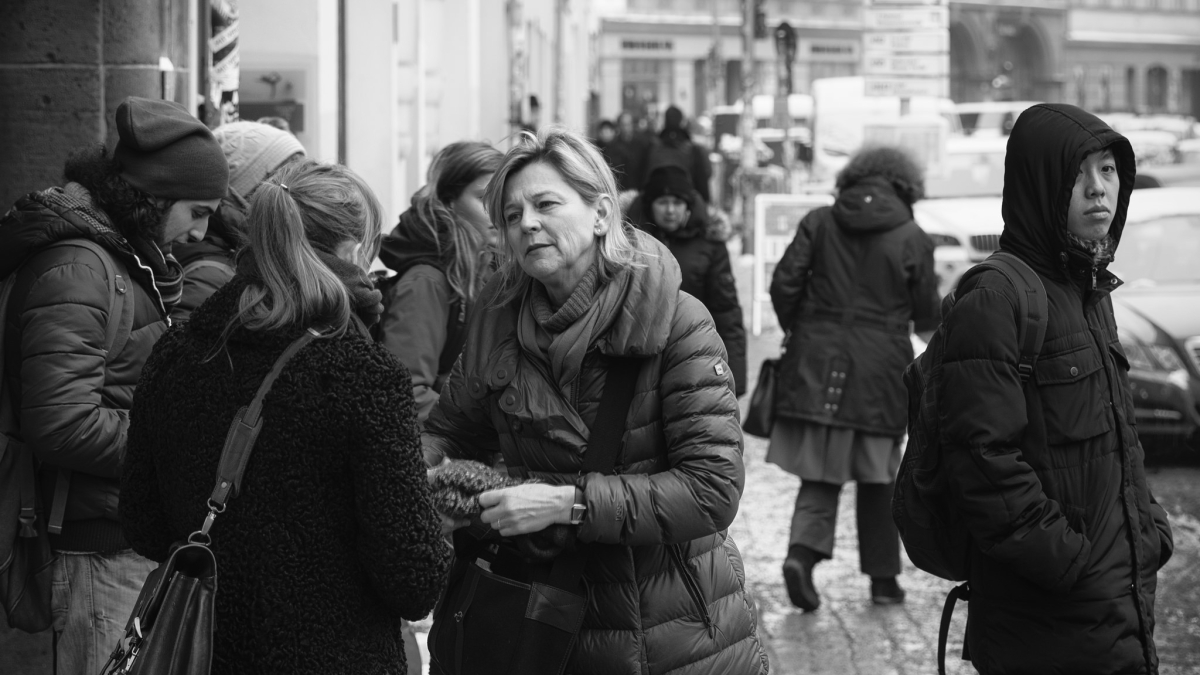
Photo by Sascha Kohlmann, Creative Commons license http://bit.ly/2dOiIaa
The influential book "Bowling Alone," by Robert Putnam, argues that suburbanization has eroded the close bonds within communities, causing Americans to become more isolated and to socialize less with neighbors.
A recent study in the Journal of Planning Education and Research, authored by ASU planning professor Deirdre Pfeiffer and Eric Morris of Clemson University, takes a critical look at this assertion.
A broad analysis, that compares a large sample of urban vs. suburban residents in mid-to-large metropolitan areas, supports the picture that city dwellers are more social than suburbanites; spending an average of about 92.8 minutes per day socializing with friends, acquaintances or neighbors, compared with an average of 87.5 minutes per day for suburban dwellers.
However, a different picture results when controlling for factors such as age, education, marriage, race and employment. Once these factors are taken into consideration, the urban-suburban differences disappear.
“In sum, there may be many reasons to dislike American suburbanization. It may adversely affect public health, aesthetics, energy use, the environment, open space, and racial/ethnic and socioeconomic equity, among other facets of life,” the study concluded. “However, the results here strongly suggest that blanket condemnation of suburbanization on the grounds that it somehow saps social life bowls a gutter ball.”
“Despite the stereotypes often imposed upon urbanites and suburbanites, we may in fact be much more similar than we realize,” reports a news story on the research that appears in online news site CityLab.
More Arts, humanities and education
Petroglyph preserve celebrates 30th anniversary with ancient, modern tales
The Deer Valley Petroglyph Preserve provides a beautiful walk through a pristine desert where chuckwalla lizards are as plentiful…
Kaleidoscope short film contest inspires powerful binational filmmaking in its second year
“We come to this country not to steal anybody’s jobs but to take advantage of the opportunities that the rest ignore. We’ve been…
ASU's Neal Lester reflects on life, death of poet Nikki Giovanni
When Neal Lester heard on Monday that poet and activist Nikki Giovanni had died, the news hit hard.Lester, the founding director…